Table of Contents
- You can get a first look at a new film about election poll workers - SPlog
- Is there a surge in women voters in Ohio? Some reports say it’s happening
- Women Candidates Won Almost Every Democratic House Primary They ...
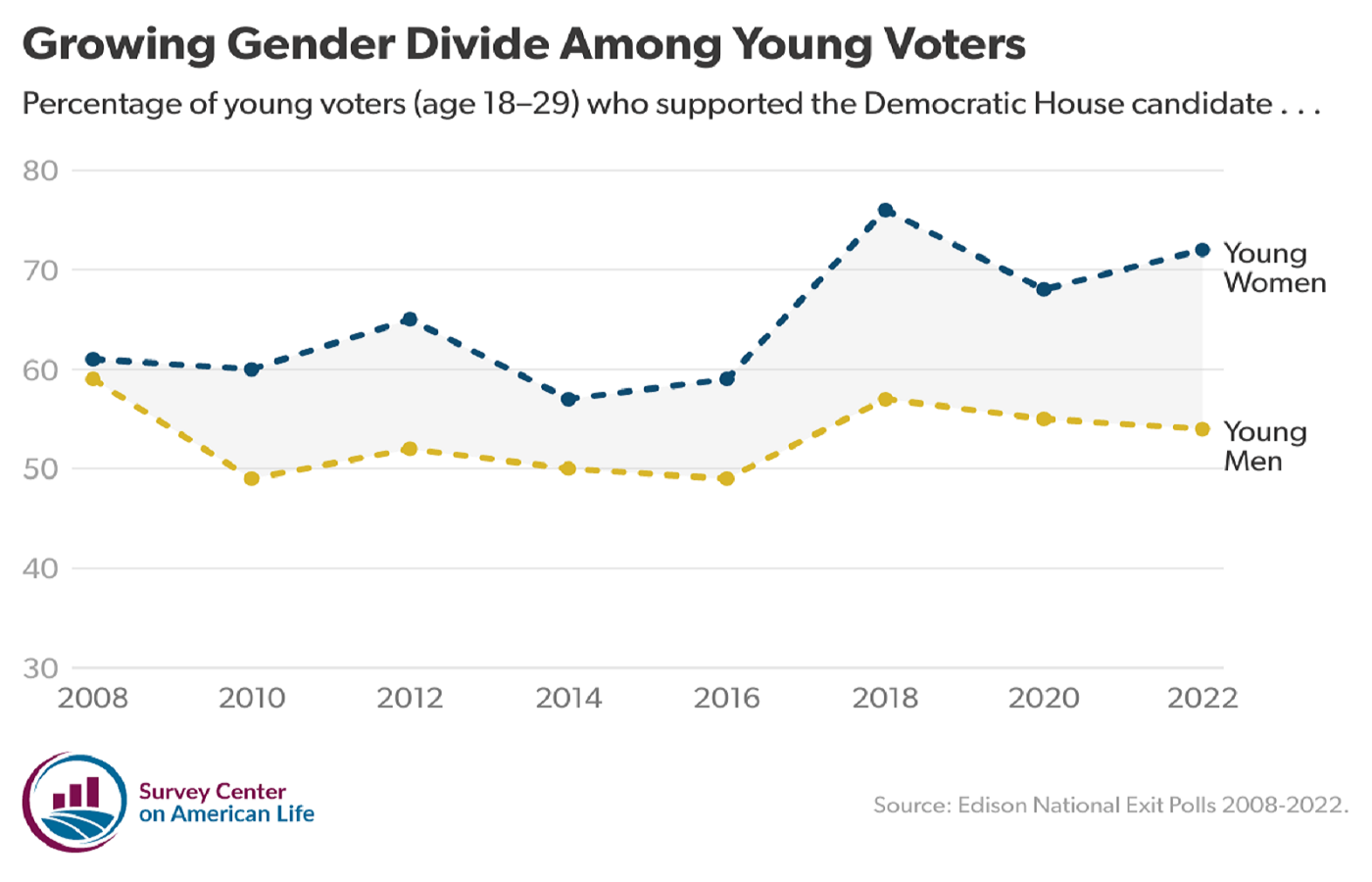
- A Growing Gender Divide Among Young Voters - The Survey Center on ...
- Why Trump Must Make Gains Among Women Voters to Win the White House ...
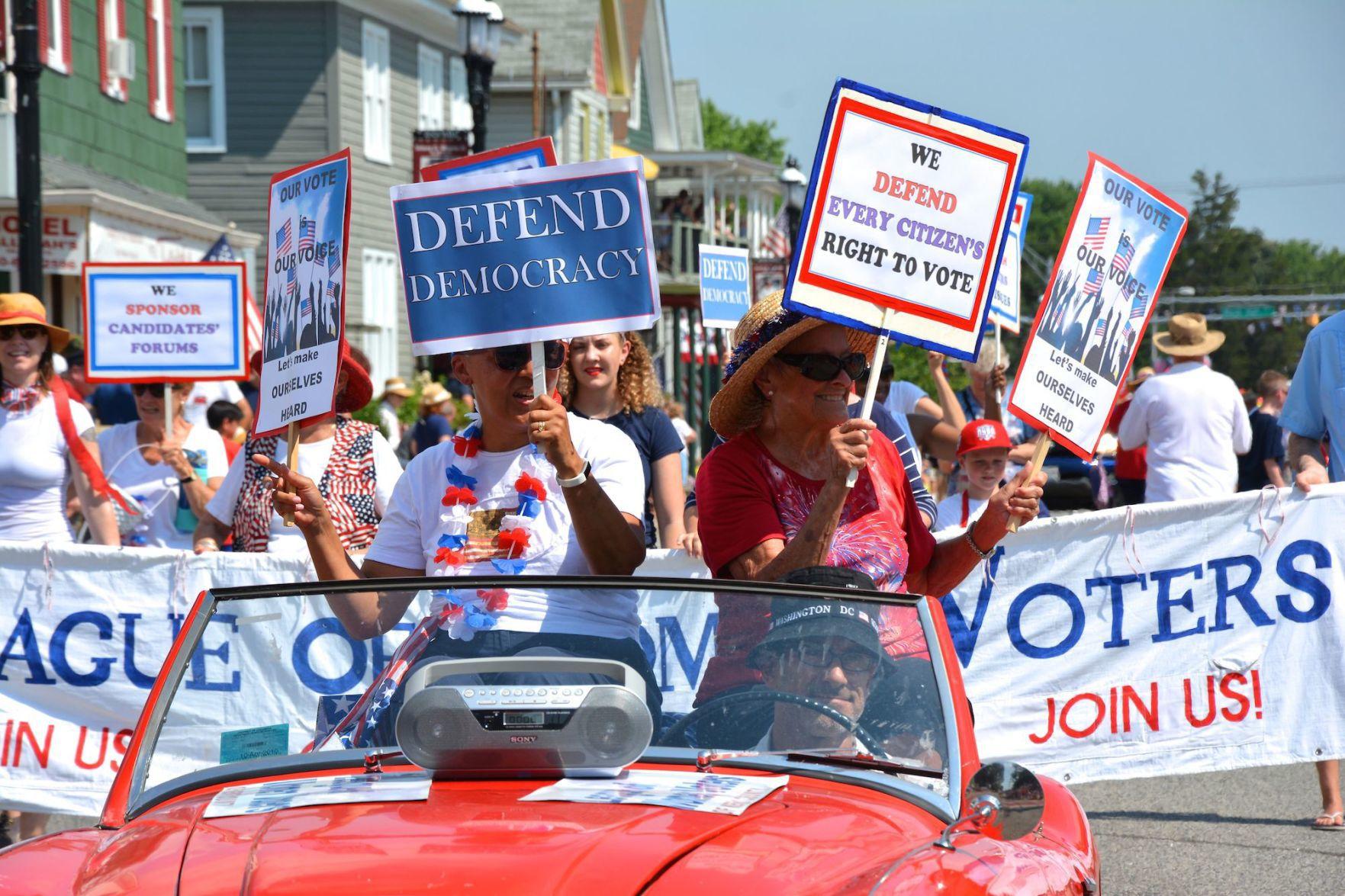
- Celebrating the 100th birthday of the League of Women Voters, women's ...
- Laura M. Moore | Ann Arbor District Library
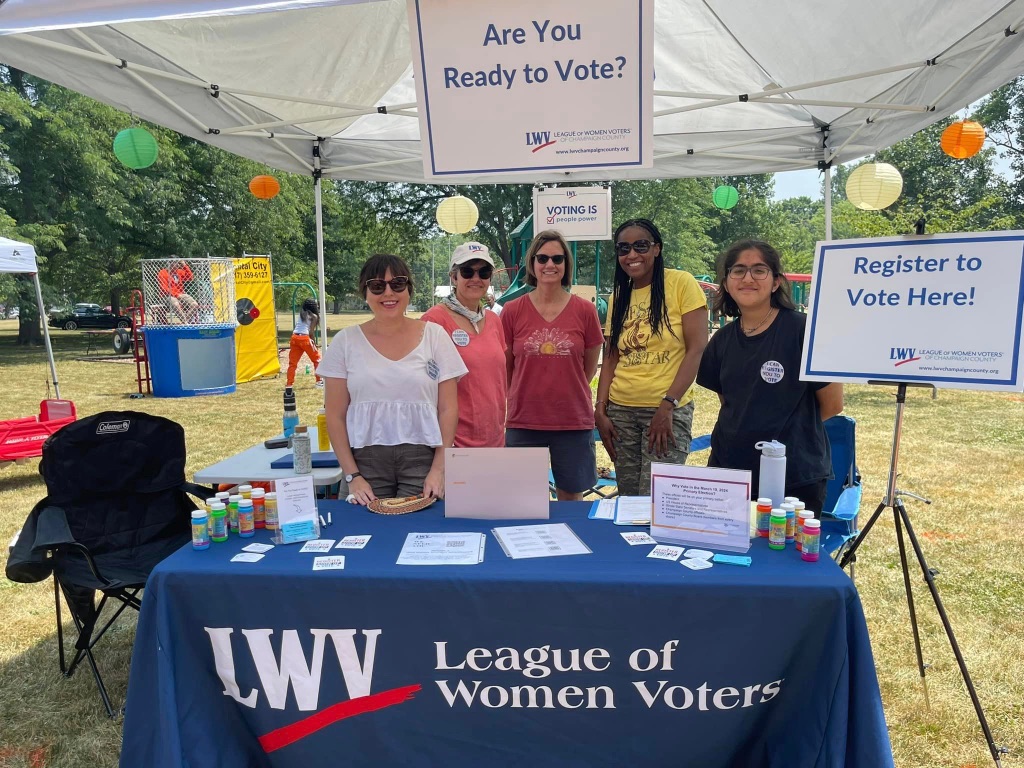
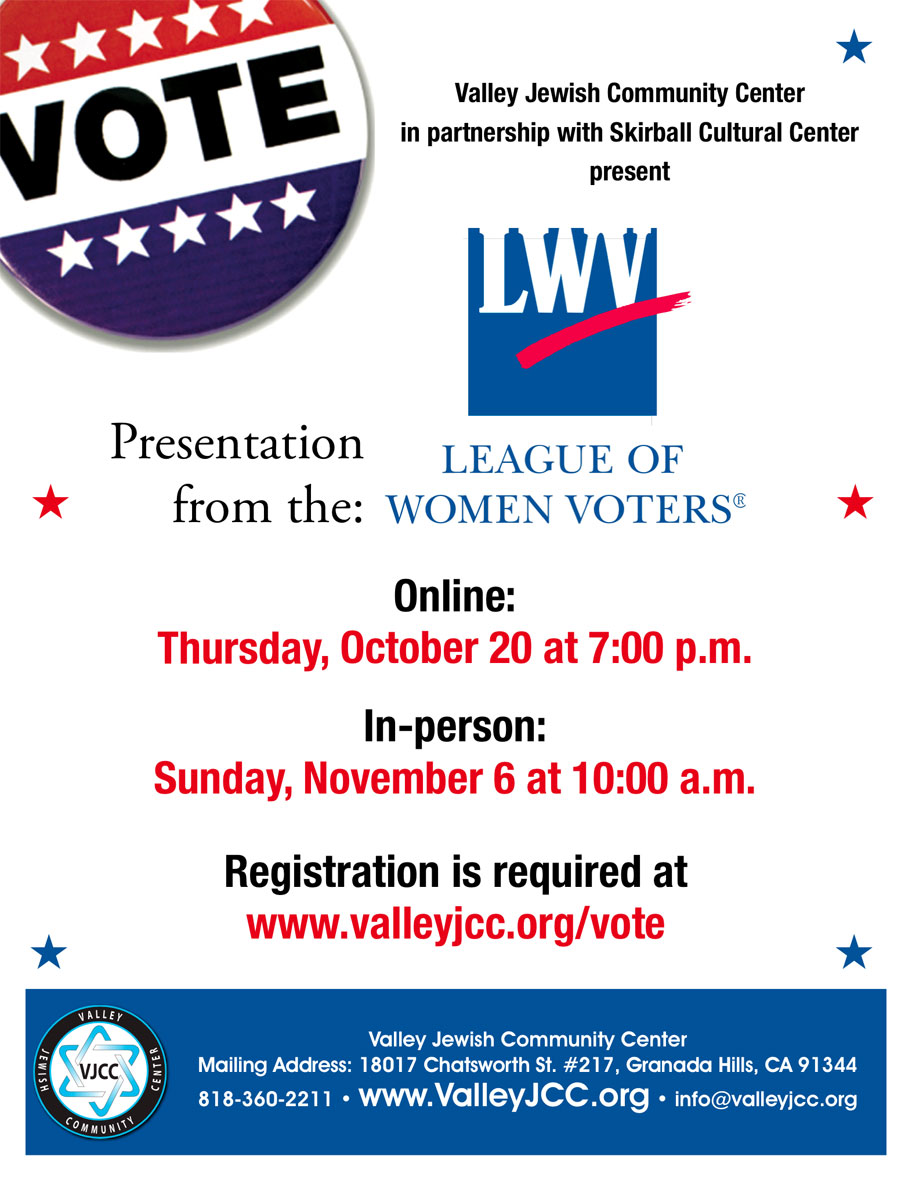
- League of Women Voters Presentation - Valley Jewish Community Center
- Why Vote? And How? Prepared by Catherine Hedge - ppt download
- League Of Women Voters Recommendations 2024 Florida - Rey Tiphani

What is the SAVE Act?


Potential Impact on Married Women
According to a recent survey, many married women may not have updated their voter registration records or identification documents to reflect their married names. This could lead to a mismatch between their identification documents and voter registration records, potentially causing issues at the polling station. Furthermore, the additional requirements imposed by the SAVE Act may create barriers for married women who are already facing challenges in exercising their right to vote.
Concerns and Criticisms
Critics of the SAVE Act argue that the proposed legislation may lead to voter suppression, particularly among marginalized groups, including married women. The additional requirements and stricter identification rules may create unnecessary barriers, deterring some individuals from casting their ballots. Moreover, the Act's emphasis on strict voter verification processes may lead to longer waiting times and increased bureaucracy, which could further discourage married women from participating in the electoral process. While the intention behind the SAVE Act is to protect the integrity of the voting process, it is essential to consider the potential consequences of the proposed legislation on married women's voting rights. The Act's stricter identification requirements and enhanced verification processes may create unintended barriers, disproportionately affecting married women who have changed their names after marriage. As the debate surrounding the SAVE Act continues, it is crucial to ensure that the voting rights of all citizens, including married women, are protected and preserved. By examining the potential impact of the SAVE Act on married women's voting rights, we can work towards creating a more inclusive and equitable electoral process for all.Ultimately, the SAVE Act's impact on married women's voting rights will depend on the final version of the legislation and its implementation. As the conversation around the Act continues, it is essential to prioritize the voting rights of all citizens, ensuring that every individual has an equal opportunity to participate in the democratic process.